How your diet affects your skin and make up results?

Have you ever wondered why your makeup seems to slide off your face by midday, or why those pesky blemishes keep reappearing no matter how diligently you follow your skincare routine? 🤔 The secret to flawless skin and long-lasting makeup might not be in your cosmetics bag, but on your plate! 🍽️
Your diet plays a crucial role in determining the health and appearance of your skin. From hydration to collagen production, what you eat directly impacts how your skin looks and feels - and consequently, how well your makeup performs. But don't worry, achieving that coveted glowing complexion isn't as complicated as you might think.
In this blog post, we'll dive deep into the fascinating world of nutrition and its effects on your skin. We'll explore everything from the power of antioxidants to the surprising impact of sugar on your complexion. Get ready to discover how simple dietary changes can transform your skin, enhance your makeup application, and boost your confidence. Let's uncover the delicious path to radiant skin! 💫
Have you ever wondered why your makeup seems to slide off your face by midday, or why those pesky blemishes keep reappearing no matter how diligently you follow your skincare routine? 🤔 The secret to flawless skin and long-lasting makeup might not be in your cosmetics bag, but on your plate! 🍽️
Your diet plays a crucial role in determining the health and appearance of your skin. From hydration to collagen production, what you eat directly impacts how your skin looks and feels - and consequently, how well your makeup performs. But don't worry, achieving that coveted glowing complexion isn't as complicated as you might think.
In this blog post, we'll dive deep into the fascinating world of nutrition and its effects on your skin. We'll explore everything from the power of antioxidants to the surprising impact of sugar on your complexion. Get ready to discover how simple dietary changes can transform your skin, enhance your makeup application, and boost your confidence. Let's uncover the delicious path to radiant skin! 💫
Understanding the Skin-Diet Connection

Nutrients that promote skin health
The food we consume plays a crucial role in our skin's health and appearance. Several nutrients are particularly beneficial for maintaining a radiant complexion:
-
Omega-3 fatty acids
-
Vitamin C
-
Vitamin E
-
Zinc
-
Selenium
These nutrients work together to support collagen production, protect against sun damage, and promote skin elasticity.
Nutrient
Benefits for Skin
Food Sources
Omega-3
Reduces inflammation
Fatty fish, walnuts, flaxseeds
Vitamin C
Boosts collagen production
Citrus fruits, berries, bell peppers
Vitamin E
Protects against free radicals
Almonds, sunflower seeds, avocados
Zinc
Supports skin healing
Oysters, lean meats, pumpkin seeds
Selenium
Protects against oxidative stress
Brazil nuts, tuna, whole grains
The food we consume plays a crucial role in our skin's health and appearance. Several nutrients are particularly beneficial for maintaining a radiant complexion:
-
Omega-3 fatty acids
-
Vitamin C
-
Vitamin E
-
Zinc
-
Selenium
These nutrients work together to support collagen production, protect against sun damage, and promote skin elasticity.
| Nutrient | Benefits for Skin | Food Sources |
|---|---|---|
| Omega-3 | Reduces inflammation | Fatty fish, walnuts, flaxseeds |
| Vitamin C | Boosts collagen production | Citrus fruits, berries, bell peppers |
| Vitamin E | Protects against free radicals | Almonds, sunflower seeds, avocados |
| Zinc | Supports skin healing | Oysters, lean meats, pumpkin seeds |
| Selenium | Protects against oxidative stress | Brazil nuts, tuna, whole grains |
Foods that harm skin appearance
While some foods nourish our skin, others can have detrimental effects:
-
Refined sugars: Contribute to inflammation and premature aging
-
Processed foods: Often lack essential nutrients and may contain harmful additives
-
Excessive dairy: Can trigger acne in some individuals
-
Alcohol: Dehydrates the skin and can lead to a dull complexion
While some foods nourish our skin, others can have detrimental effects:
-
Refined sugars: Contribute to inflammation and premature aging
-
Processed foods: Often lack essential nutrients and may contain harmful additives
-
Excessive dairy: Can trigger acne in some individuals
-
Alcohol: Dehydrates the skin and can lead to a dull complexion
The gut-skin axis explained
The connection between gut health and skin appearance is increasingly recognized. A balanced gut microbiome supports overall skin health by:
-
Reducing inflammation
-
Enhancing nutrient absorption
-
Strengthening the skin barrier
Consuming probiotics and fiber-rich foods can positively impact both gut and skin health. With this understanding of the skin-diet connection, let's explore how hydration affects our skin's appearance and overall health.
The connection between gut health and skin appearance is increasingly recognized. A balanced gut microbiome supports overall skin health by:
-
Reducing inflammation
-
Enhancing nutrient absorption
-
Strengthening the skin barrier
Consuming probiotics and fiber-rich foods can positively impact both gut and skin health. With this understanding of the skin-diet connection, let's explore how hydration affects our skin's appearance and overall health.
Hydration's Role in Skin Health
Water Intake and Skin Moisture
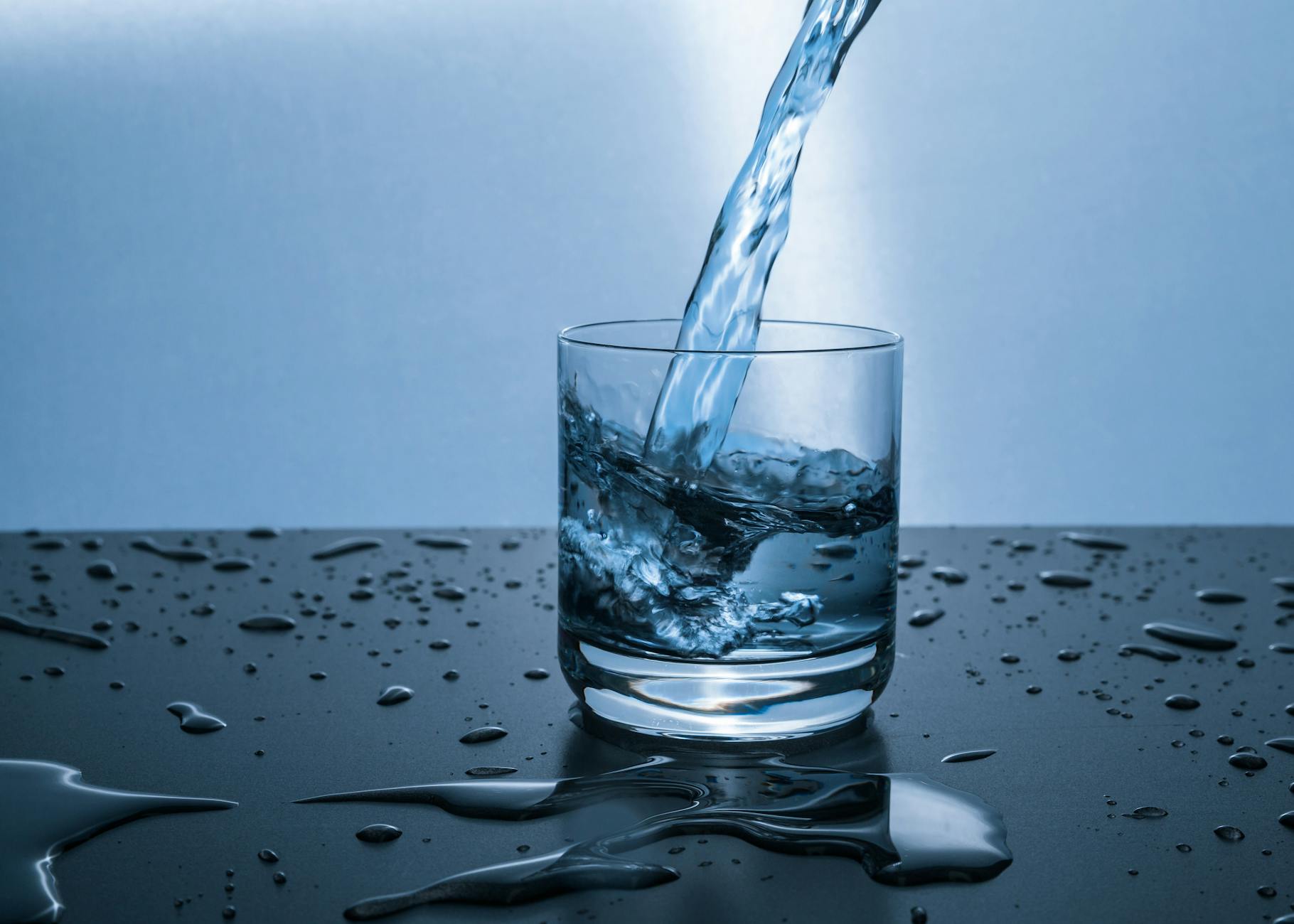
Proper hydration is crucial for maintaining healthy, radiant skin. When you're well-hydrated, your skin appears plumper, smoother, and more resilient. Aim for at least 8 glasses of water daily to keep your skin cells hydrated and functioning optimally.
Proper hydration is crucial for maintaining healthy, radiant skin. When you're well-hydrated, your skin appears plumper, smoother, and more resilient. Aim for at least 8 glasses of water daily to keep your skin cells hydrated and functioning optimally.
Hydrating Foods for Glowing Skin
While drinking water is essential, consuming hydrating foods can also contribute to skin health. Here's a list of foods that can boost your skin's hydration:
-
Cucumber
-
Watermelon
-
Strawberries
-
Celery
-
Tomatoes
These foods not only provide hydration but also offer additional skin-benefiting nutrients.
While drinking water is essential, consuming hydrating foods can also contribute to skin health. Here's a list of foods that can boost your skin's hydration:
-
Cucumber
-
Watermelon
-
Strawberries
-
Celery
-
Tomatoes
These foods not only provide hydration but also offer additional skin-benefiting nutrients.
Dehydration's Impact on Makeup Application
Dehydrated skin can significantly affect your makeup application and overall look. Here's a comparison of hydrated vs. dehydrated skin when applying makeup:
Hydrated Skin
Dehydrated Skin
Smooth canvas
Flaky, uneven texture
Even makeup application
Patchy, streaky application
Natural, dewy finish
Dull, lifeless appearance
Makeup lasts longer
Makeup breaks down quickly
To achieve the best makeup results, prioritize hydration through both internal and external means. Use hydrating skincare products and maintain a water-rich diet to create the perfect canvas for your makeup application.
Now that we've explored the importance of hydration for skin health and makeup application, let's delve into the powerful role of antioxidants in protecting and nourishing your skin.
Dehydrated skin can significantly affect your makeup application and overall look. Here's a comparison of hydrated vs. dehydrated skin when applying makeup:
| Hydrated Skin | Dehydrated Skin |
|---|---|
| Smooth canvas | Flaky, uneven texture |
| Even makeup application | Patchy, streaky application |
| Natural, dewy finish | Dull, lifeless appearance |
| Makeup lasts longer | Makeup breaks down quickly |
To achieve the best makeup results, prioritize hydration through both internal and external means. Use hydrating skincare products and maintain a water-rich diet to create the perfect canvas for your makeup application.
Now that we've explored the importance of hydration for skin health and makeup application, let's delve into the powerful role of antioxidants in protecting and nourishing your skin.
Antioxidants: Your Skin's Best Friend
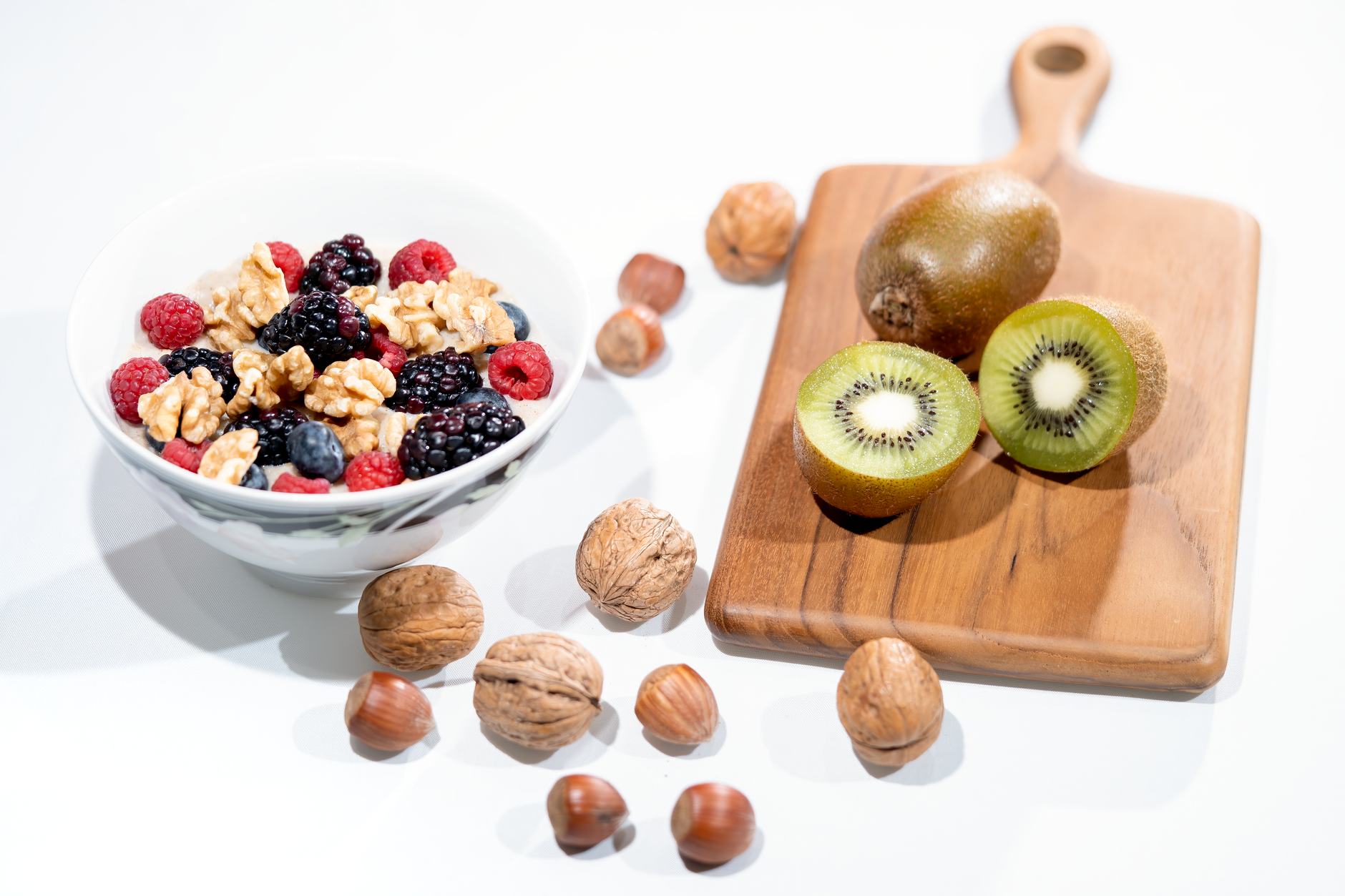
Now that we understand how hydration impacts our skin, let's explore the powerful role of antioxidants in maintaining a healthy, radiant complexion.
Now that we understand how hydration impacts our skin, let's explore the powerful role of antioxidants in maintaining a healthy, radiant complexion.
Top antioxidant-rich foods
Incorporating antioxidant-rich foods into your diet is crucial for skin health. Here's a list of some top choices:
-
Berries (blueberries, strawberries, raspberries)
-
Dark leafy greens (spinach, kale)
-
Nuts and seeds (walnuts, sunflower seeds)
-
Green tea
-
Dark chocolate
Incorporating antioxidant-rich foods into your diet is crucial for skin health. Here's a list of some top choices:
-
Berries (blueberries, strawberries, raspberries)
-
Dark leafy greens (spinach, kale)
-
Nuts and seeds (walnuts, sunflower seeds)
-
Green tea
-
Dark chocolate
How antioxidants combat skin aging
Antioxidants work by neutralizing free radicals, which are unstable molecules that can damage skin cells and accelerate aging. Here's a breakdown of their benefits:
Benefit
Description
Collagen protection
Prevents breakdown of collagen, maintaining skin elasticity
UV defense
Helps protect skin from sun damage
Inflammation reduction
Soothes skin and reduces redness
Cell repair
Aids in repairing damaged skin cells
Antioxidants work by neutralizing free radicals, which are unstable molecules that can damage skin cells and accelerate aging. Here's a breakdown of their benefits:
| Benefit | Description |
|---|---|
| Collagen protection | Prevents breakdown of collagen, maintaining skin elasticity |
| UV defense | Helps protect skin from sun damage |
| Inflammation reduction | Soothes skin and reduces redness |
| Cell repair | Aids in repairing damaged skin cells |
Incorporating antioxidants into your daily diet
To maximize the benefits of antioxidants for your skin, try these simple tips:
-
Start your day with a berry smoothie
-
Snack on a handful of mixed nuts
-
Swap your regular tea for green tea
-
Add dark leafy greens to your lunch salad
-
Enjoy a small piece of dark chocolate as a treat
By consistently including these antioxidant-rich foods in your diet, you'll be providing your skin with powerful protection against aging and environmental stressors. Next, we'll examine how sugar impacts your skin and affects your makeup application.
To maximize the benefits of antioxidants for your skin, try these simple tips:
-
Start your day with a berry smoothie
-
Snack on a handful of mixed nuts
-
Swap your regular tea for green tea
-
Add dark leafy greens to your lunch salad
-
Enjoy a small piece of dark chocolate as a treat
By consistently including these antioxidant-rich foods in your diet, you'll be providing your skin with powerful protection against aging and environmental stressors. Next, we'll examine how sugar impacts your skin and affects your makeup application.
The Impact of Sugar on Skin

Now that we've explored the benefits of antioxidants, let's dive into a less savory aspect of our diet: sugar. The impact of sugar on our skin is significant and often underestimated.
Now that we've explored the benefits of antioxidants, let's dive into a less savory aspect of our diet: sugar. The impact of sugar on our skin is significant and often underestimated.
Glycation and Collagen Breakdown
Glycation is a process where sugar molecules attach to proteins, including collagen, forming harmful compounds called Advanced Glycation End Products (AGEs). This process leads to:
-
Reduced skin elasticity
-
Increased wrinkle formation
-
Accelerated aging of the skin
Effects of Glycation
Impact on Skin
Collagen damage
Loss of firmness
Protein cross-linking
Reduced elasticity
Increased oxidative stress
Premature aging
Glycation is a process where sugar molecules attach to proteins, including collagen, forming harmful compounds called Advanced Glycation End Products (AGEs). This process leads to:
-
Reduced skin elasticity
-
Increased wrinkle formation
-
Accelerated aging of the skin
| Effects of Glycation | Impact on Skin |
|---|---|
| Collagen damage | Loss of firmness |
| Protein cross-linking | Reduced elasticity |
| Increased oxidative stress | Premature aging |
Acne and Sugar Consumption
High sugar intake can exacerbate acne by:
-
Triggering inflammation in the body
-
Increasing sebum production
-
Raising insulin levels, which can stimulate hormones that contribute to acne
High sugar intake can exacerbate acne by:
-
Triggering inflammation in the body
-
Increasing sebum production
-
Raising insulin levels, which can stimulate hormones that contribute to acne
Sugar Alternatives for Better Skin
To maintain healthy skin, consider these sugar alternatives:
-
Stevia: A natural, zero-calorie sweetener
-
Monk fruit extract: Another natural option with antioxidant properties
-
Xylitol: A low-glycemic sugar alcohol that doesn't spike blood sugar
By reducing sugar intake and opting for healthier alternatives, you can significantly improve your skin's health and appearance. This, in turn, can lead to better makeup application and longer-lasting results. Next, we'll explore how healthy fats contribute to radiant skin.
To maintain healthy skin, consider these sugar alternatives:
-
Stevia: A natural, zero-calorie sweetener
-
Monk fruit extract: Another natural option with antioxidant properties
-
Xylitol: A low-glycemic sugar alcohol that doesn't spike blood sugar
By reducing sugar intake and opting for healthier alternatives, you can significantly improve your skin's health and appearance. This, in turn, can lead to better makeup application and longer-lasting results. Next, we'll explore how healthy fats contribute to radiant skin.
Healthy Fats for Radiant Skin
Now that we've explored the detrimental effects of sugar on our skin, let's focus on the positive impact of healthy fats. Incorporating the right fats into your diet can significantly enhance your skin's radiance and overall health.
Now that we've explored the detrimental effects of sugar on our skin, let's focus on the positive impact of healthy fats. Incorporating the right fats into your diet can significantly enhance your skin's radiance and overall health.
Omega-3 Fatty Acids and Skin Elasticity
Omega-3 fatty acids are essential for maintaining skin elasticity and promoting a youthful appearance. These powerful nutrients help:
-
Reduce inflammation
-
Strengthen cell membranes
-
Improve skin hydration
Sources of omega-3s include fatty fish, chia seeds, and flaxseeds.
Omega-3 fatty acids are essential for maintaining skin elasticity and promoting a youthful appearance. These powerful nutrients help:
-
Reduce inflammation
-
Strengthen cell membranes
-
Improve skin hydration
Sources of omega-3s include fatty fish, chia seeds, and flaxseeds.
Avocado and Other Skin-Friendly Fats
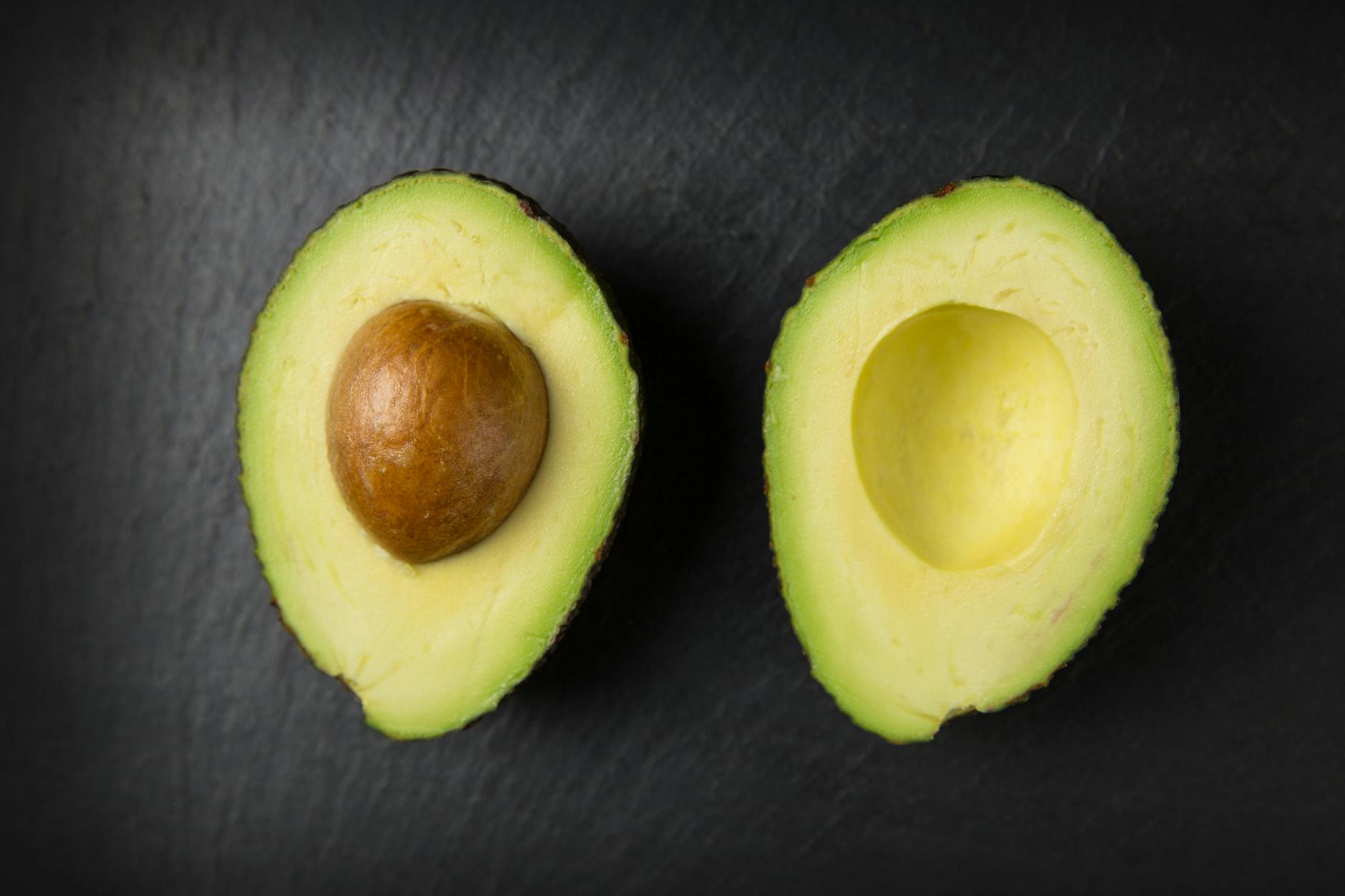
Avocados are a skin superfood, packed with healthy monounsaturated fats and vitamins. Other skin-friendly fats include:
-
Nuts (almonds, walnuts)
-
Olive oil
-
Coconut oil
These fats nourish the skin from within, promoting a healthy glow and smoother makeup application.
Avocados are a skin superfood, packed with healthy monounsaturated fats and vitamins. Other skin-friendly fats include:
-
Nuts (almonds, walnuts)
-
Olive oil
-
Coconut oil
These fats nourish the skin from within, promoting a healthy glow and smoother makeup application.
Balancing Fat Intake for Optimal Skin Health
While healthy fats are crucial for skin health, balance is key. Here's a guide to help you incorporate the right amount of fats into your diet:
Fat Type
Recommended Daily Intake
Benefits for Skin
Omega-3s
250-500 mg
Reduces inflammation, improves elasticity
Monounsaturated
15-20% of total calories
Enhances skin moisture, protects against UV damage
Saturated
Less than 10% of total calories
Supports skin structure (in moderation)
By incorporating these healthy fats into your diet, you'll notice improvements in your skin's texture and appearance, leading to better makeup results. Next, we'll explore how protein contributes to beautiful skin.
While healthy fats are crucial for skin health, balance is key. Here's a guide to help you incorporate the right amount of fats into your diet:
| Fat Type | Recommended Daily Intake | Benefits for Skin |
|---|---|---|
| Omega-3s | 250-500 mg | Reduces inflammation, improves elasticity |
| Monounsaturated | 15-20% of total calories | Enhances skin moisture, protects against UV damage |
| Saturated | Less than 10% of total calories | Supports skin structure (in moderation) |
By incorporating these healthy fats into your diet, you'll notice improvements in your skin's texture and appearance, leading to better makeup results. Next, we'll explore how protein contributes to beautiful skin.
Protein: The Building Block of Beautiful Skin
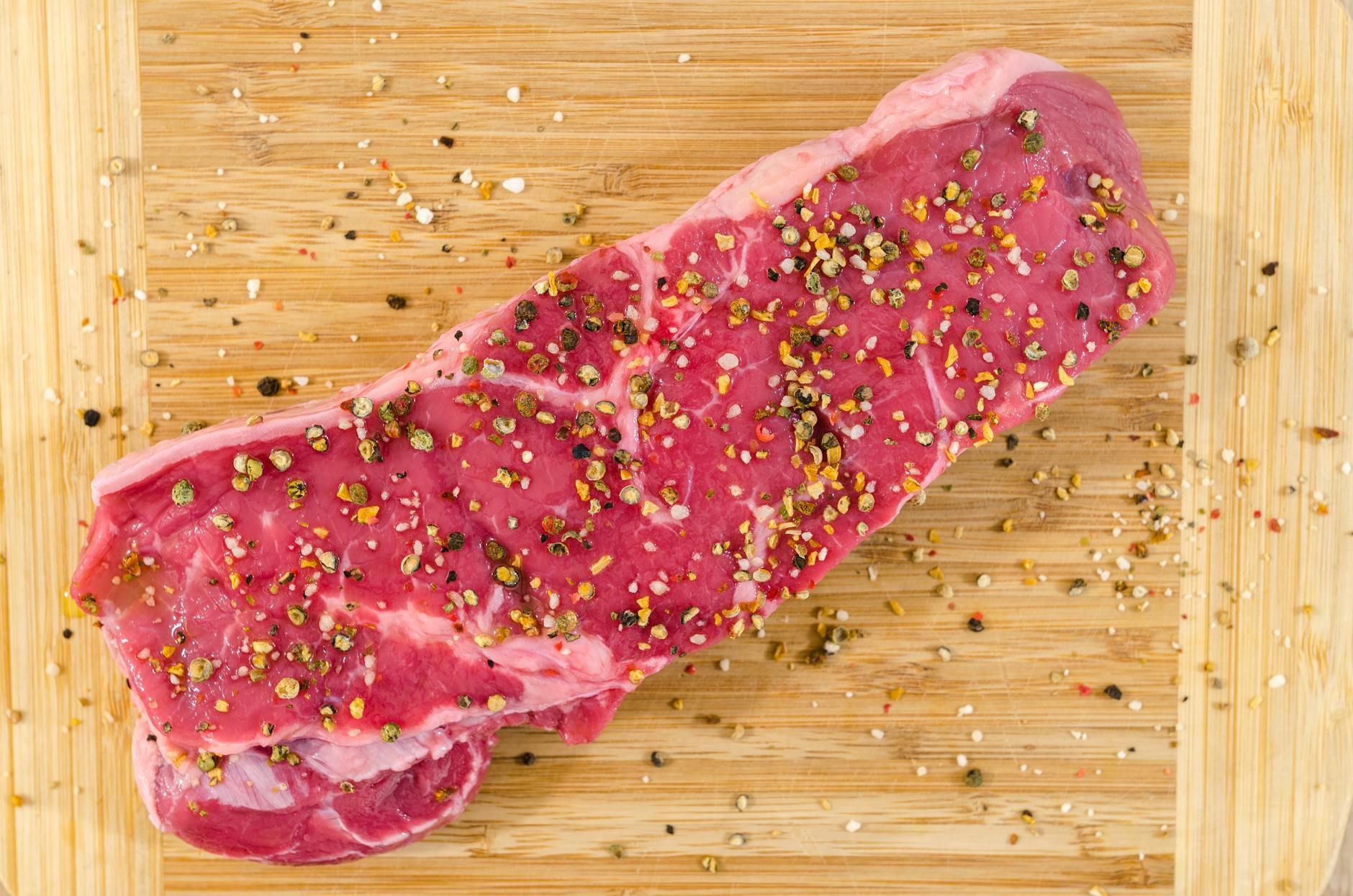
Now that we've explored the importance of healthy fats, let's dive into another crucial nutrient for skin health: protein. As the foundation of skin structure and repair, protein plays a vital role in maintaining a youthful, radiant complexion.
Now that we've explored the importance of healthy fats, let's dive into another crucial nutrient for skin health: protein. As the foundation of skin structure and repair, protein plays a vital role in maintaining a youthful, radiant complexion.
Essential amino acids for skin repair
Protein is composed of amino acids, which are essential for skin repair and regeneration. Some key amino acids for skin health include:
-
Collagen: Promotes skin elasticity and firmness
-
Elastin: Enhances skin flexibility and resilience
-
Keratin: Strengthens skin, hair, and nails
Protein is composed of amino acids, which are essential for skin repair and regeneration. Some key amino acids for skin health include:
-
Collagen: Promotes skin elasticity and firmness
-
Elastin: Enhances skin flexibility and resilience
-
Keratin: Strengthens skin, hair, and nails
Plant-based vs. animal protein for skin health
Both plant-based and animal proteins offer benefits for skin health. Here's a comparison:
Protein Source
Benefits
Considerations
Plant-based
Rich in antioxidants, fiber
May require combining sources for complete amino acid profile
Animal-based
Complete amino acid profile
May contain saturated fats
Choose a variety of protein sources to ensure you're getting all the essential amino acids your skin needs.
Both plant-based and animal proteins offer benefits for skin health. Here's a comparison:
| Protein Source | Benefits | Considerations |
|---|---|---|
| Plant-based | Rich in antioxidants, fiber | May require combining sources for complete amino acid profile |
| Animal-based | Complete amino acid profile | May contain saturated fats |
Choose a variety of protein sources to ensure you're getting all the essential amino acids your skin needs.
Protein-rich snacks for on-the-go skincare
Incorporate these easy, protein-packed snacks into your routine:
-
Greek yogurt with berries
-
Hard-boiled eggs
-
Nuts and seeds mix
-
Hummus with veggie sticks
-
Protein smoothies
By prioritizing protein in your diet, you're providing your skin with the building blocks it needs for repair, renewal, and a healthy glow. Next, we'll explore the role of vitamins and minerals in maintaining skin vitality.
Incorporate these easy, protein-packed snacks into your routine:
-
Greek yogurt with berries
-
Hard-boiled eggs
-
Nuts and seeds mix
-
Hummus with veggie sticks
-
Protein smoothies
By prioritizing protein in your diet, you're providing your skin with the building blocks it needs for repair, renewal, and a healthy glow. Next, we'll explore the role of vitamins and minerals in maintaining skin vitality.
Vitamins and Minerals for Skin Vitality
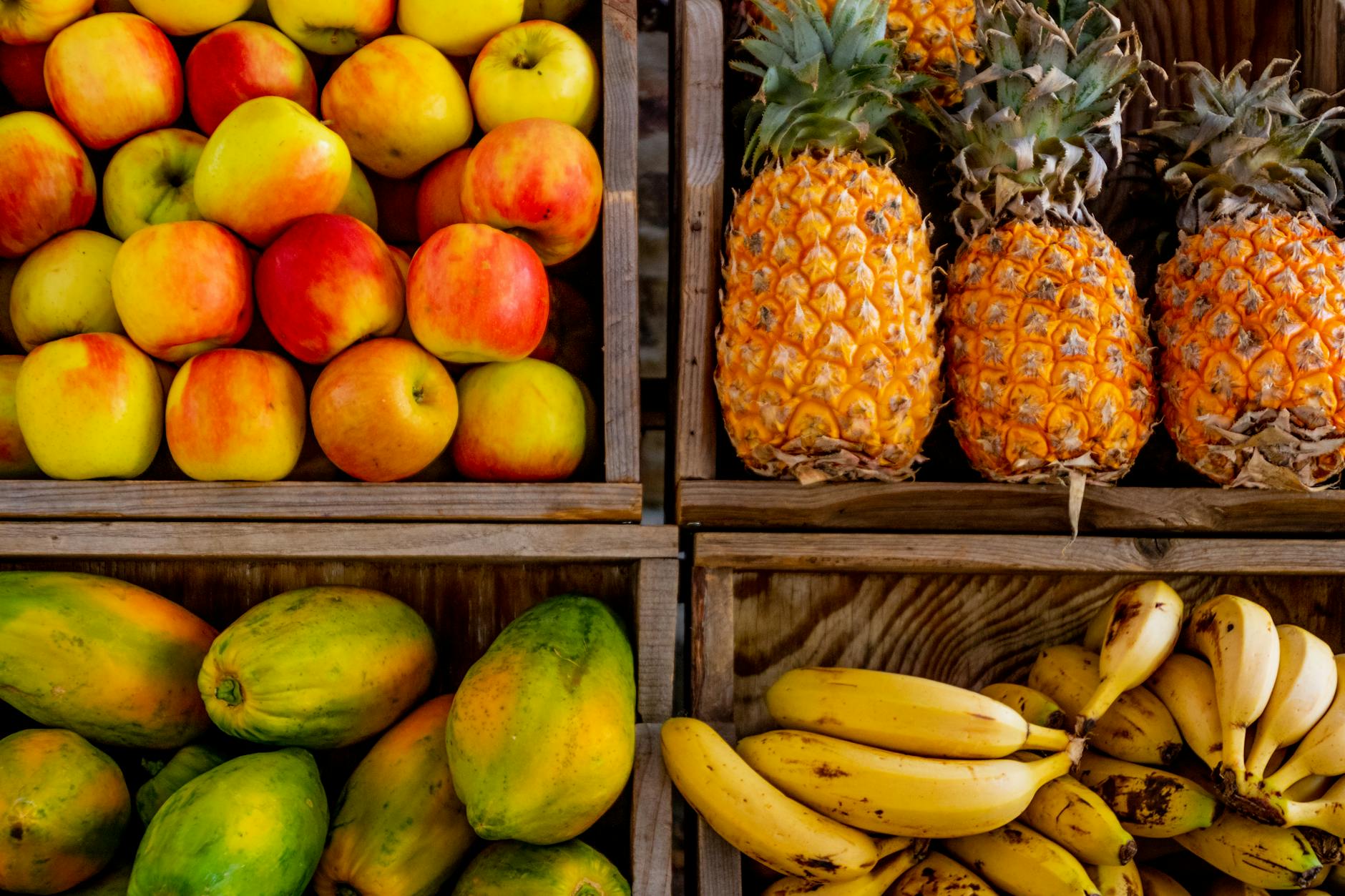
Vitamin C and collagen production
Vitamin C is a powerhouse for skin health, playing a crucial role in collagen production. This essential nutrient stimulates fibroblasts, the cells responsible for synthesizing collagen, resulting in firmer, more elastic skin. Regular intake of vitamin C-rich foods can help reduce the appearance of fine lines and wrinkles.
Vitamin C is a powerhouse for skin health, playing a crucial role in collagen production. This essential nutrient stimulates fibroblasts, the cells responsible for synthesizing collagen, resulting in firmer, more elastic skin. Regular intake of vitamin C-rich foods can help reduce the appearance of fine lines and wrinkles.
Zinc's role in acne prevention
Zinc is a mineral that offers significant benefits for acne-prone skin. It helps regulate oil production, reduces inflammation, and promotes wound healing. By incorporating zinc-rich foods into your diet, you can potentially minimize breakouts and achieve clearer skin.
Zinc is a mineral that offers significant benefits for acne-prone skin. It helps regulate oil production, reduces inflammation, and promotes wound healing. By incorporating zinc-rich foods into your diet, you can potentially minimize breakouts and achieve clearer skin.
Vitamin E for skin protection
Vitamin E is a potent antioxidant that shields your skin from harmful free radicals and environmental stressors. It works synergistically with vitamin C to enhance overall skin protection and maintain a healthy, radiant complexion.
Vitamin E is a potent antioxidant that shields your skin from harmful free radicals and environmental stressors. It works synergistically with vitamin C to enhance overall skin protection and maintain a healthy, radiant complexion.
Selenium and skin cell regeneration
Selenium is a trace mineral that supports skin cell turnover and regeneration. It helps protect against oxidative stress and may even play a role in preventing certain skin cancers.
Nutrient
Food Sources
Skin Benefits
Vitamin C
Citrus fruits, berries, bell peppers
Collagen production, antioxidant protection
Zinc
Oysters, lean meats, nuts
Acne prevention, wound healing
Vitamin E
Almonds, sunflower seeds, avocados
Skin protection, moisturization
Selenium
Brazil nuts, fish, whole grains
Cell regeneration, antioxidant support
Incorporating these vitamins and minerals into your diet can significantly improve your skin's health and appearance. Remember, a balanced diet rich in these nutrients can enhance the effectiveness of your skincare routine and makeup application. In the next section, we'll explore how certain dietary choices can lead to skin issues and makeup challenges.
Selenium is a trace mineral that supports skin cell turnover and regeneration. It helps protect against oxidative stress and may even play a role in preventing certain skin cancers.
| Nutrient | Food Sources | Skin Benefits |
|---|---|---|
| Vitamin C | Citrus fruits, berries, bell peppers | Collagen production, antioxidant protection |
| Zinc | Oysters, lean meats, nuts | Acne prevention, wound healing |
| Vitamin E | Almonds, sunflower seeds, avocados | Skin protection, moisturization |
| Selenium | Brazil nuts, fish, whole grains | Cell regeneration, antioxidant support |
Incorporating these vitamins and minerals into your diet can significantly improve your skin's health and appearance. Remember, a balanced diet rich in these nutrients can enhance the effectiveness of your skincare routine and makeup application. In the next section, we'll explore how certain dietary choices can lead to skin issues and makeup challenges.
Diet-Induced Skin Issues and Makeup Challenges

Dairy and its effect on skin texture
Dairy products can significantly impact skin texture, often leading to challenges in makeup application. Many individuals experience increased acne breakouts and skin inflammation due to dairy consumption. This can result in an uneven skin surface, making it difficult to achieve a smooth foundation application.
Dairy Product
Potential Skin Effect
Milk
Acne, inflammation
Cheese
Oily skin, breakouts
Yogurt
Less severe, but may still cause issues
Dairy products can significantly impact skin texture, often leading to challenges in makeup application. Many individuals experience increased acne breakouts and skin inflammation due to dairy consumption. This can result in an uneven skin surface, making it difficult to achieve a smooth foundation application.
| Dairy Product | Potential Skin Effect |
|---|---|
| Milk | Acne, inflammation |
| Cheese | Oily skin, breakouts |
| Yogurt | Less severe, but may still cause issues |
Alcohol consumption and skin dehydration
Alcohol is a known dehydrator, which can wreak havoc on your skin and subsequently affect your makeup results. Regular alcohol consumption can lead to:
-
Dry, flaky skin
-
Increased visibility of fine lines and wrinkles
-
Puffiness and redness
These issues can make it challenging to achieve a flawless makeup look, as foundation may cling to dry patches or settle into fine lines.
Alcohol is a known dehydrator, which can wreak havoc on your skin and subsequently affect your makeup results. Regular alcohol consumption can lead to:
-
Dry, flaky skin
-
Increased visibility of fine lines and wrinkles
-
Puffiness and redness
These issues can make it challenging to achieve a flawless makeup look, as foundation may cling to dry patches or settle into fine lines.
Processed foods and skin inflammation
Processed foods, often high in refined sugars and unhealthy fats, can trigger inflammation in the body, including the skin. This inflammation can manifest as:
-
Redness and irritation
-
Increased sensitivity
-
Acne breakouts
Such skin conditions can make it difficult to apply makeup evenly and achieve a natural, radiant look. Moreover, inflammation can exacerbate existing skin conditions, further complicating makeup application.
Now that we've explored how certain dietary choices can negatively impact your skin and makeup results, let's move on to discuss some skin-friendly meal planning strategies to help you achieve that coveted healthy glow.
Processed foods, often high in refined sugars and unhealthy fats, can trigger inflammation in the body, including the skin. This inflammation can manifest as:
-
Redness and irritation
-
Increased sensitivity
-
Acne breakouts
Such skin conditions can make it difficult to apply makeup evenly and achieve a natural, radiant look. Moreover, inflammation can exacerbate existing skin conditions, further complicating makeup application.
Now that we've explored how certain dietary choices can negatively impact your skin and makeup results, let's move on to discuss some skin-friendly meal planning strategies to help you achieve that coveted healthy glow.
Skin-Friendly Meal Planning

Breakfast Ideas for Morning Glow
Start your day with a skin-boosting breakfast that combines antioxidants, healthy fats, and hydration. Try a vibrant smoothie bowl topped with berries, chia seeds, and a drizzle of honey. Alternatively, opt for avocado toast on whole-grain bread, sprinkled with pumpkin seeds for added zinc.
Start your day with a skin-boosting breakfast that combines antioxidants, healthy fats, and hydration. Try a vibrant smoothie bowl topped with berries, chia seeds, and a drizzle of honey. Alternatively, opt for avocado toast on whole-grain bread, sprinkled with pumpkin seeds for added zinc.
Lunch Options for Midday Skin Boost
For lunch, focus on nutrient-dense meals that provide sustained energy and skin-nourishing ingredients. A colorful salad with leafy greens, grilled salmon, and a variety of vegetables is an excellent choice. Another option is a quinoa bowl with roasted vegetables and a tahini dressing.
For lunch, focus on nutrient-dense meals that provide sustained energy and skin-nourishing ingredients. A colorful salad with leafy greens, grilled salmon, and a variety of vegetables is an excellent choice. Another option is a quinoa bowl with roasted vegetables and a tahini dressing.
Dinner Recipes for Overnight Skin Repair
Evening meals should support skin repair and regeneration. Consider a lean protein like grilled chicken or tofu, paired with sweet potato and steamed broccoli. For a comforting option, try a vegetable-rich soup with bone broth for added collagen support.
Evening meals should support skin repair and regeneration. Consider a lean protein like grilled chicken or tofu, paired with sweet potato and steamed broccoli. For a comforting option, try a vegetable-rich soup with bone broth for added collagen support.
Snacks that Support Skin Health
Between meals, choose snacks that contribute to your skin's health. Here are some options:
Snack
Skin Benefits
Mixed nuts
Healthy fats, vitamin E
Greek yogurt with berries
Probiotics, antioxidants
Carrot sticks with hummus
Beta-carotene, healthy fats
Dark chocolate (70%+)
Flavonoids, antioxidants
Remember to stay hydrated throughout the day by drinking water and herbal teas. By incorporating these skin-friendly meals and snacks into your daily routine, you'll be providing your skin with the nutrients it needs to look its best, ultimately enhancing your makeup results.
Between meals, choose snacks that contribute to your skin's health. Here are some options:
| Snack | Skin Benefits |
|---|---|
| Mixed nuts | Healthy fats, vitamin E |
| Greek yogurt with berries | Probiotics, antioxidants |
| Carrot sticks with hummus | Beta-carotene, healthy fats |
| Dark chocolate (70%+) | Flavonoids, antioxidants |
Remember to stay hydrated throughout the day by drinking water and herbal teas. By incorporating these skin-friendly meals and snacks into your daily routine, you'll be providing your skin with the nutrients it needs to look its best, ultimately enhancing your makeup results.
Supplements for Skin Enhancement
As we explore ways to enhance our skin health, supplements can play a significant role in complementing a balanced diet. Let's examine some popular skin-enhancing supplements and their potential benefits.
As we explore ways to enhance our skin health, supplements can play a significant role in complementing a balanced diet. Let's examine some popular skin-enhancing supplements and their potential benefits.
A. Collagen supplements: Do they work?
Collagen, the most abundant protein in our bodies, is crucial for maintaining skin elasticity and firmness. While the effectiveness of collagen supplements is still debated, some studies suggest potential benefits:
-
Improved skin hydration
-
Reduced appearance of wrinkles
-
Enhanced skin elasticity
Age Group
Potential Benefits
20-30
Preventive measures
30-50
Moderate improvement
50+
Most noticeable effects
Collagen, the most abundant protein in our bodies, is crucial for maintaining skin elasticity and firmness. While the effectiveness of collagen supplements is still debated, some studies suggest potential benefits:
-
Improved skin hydration
-
Reduced appearance of wrinkles
-
Enhanced skin elasticity
| Age Group | Potential Benefits |
|---|---|
| 20-30 | Preventive measures |
| 30-50 | Moderate improvement |
| 50+ | Most noticeable effects |
B. Probiotics for clear skin
Probiotics, known for their gut health benefits, may also contribute to clearer skin:
-
Balancing skin microbiome
-
Reducing inflammation
-
Improving skin barrier function
Probiotics, known for their gut health benefits, may also contribute to clearer skin:
-
Balancing skin microbiome
-
Reducing inflammation
-
Improving skin barrier function
C. Cautions and considerations for skin supplements
While supplements can be beneficial, it's essential to approach them with caution:
-
Consult a healthcare professional before starting any supplement regimen
-
Be aware of potential interactions with medications
-
Look for third-party tested products to ensure quality and safety
-
Remember that supplements are not a substitute for a healthy diet and lifestyle
Next, we'll explore how to incorporate skin-friendly foods into your meal planning for optimal results.

Your diet plays a crucial role in the health and appearance of your skin, which in turn affects your makeup results. By focusing on hydration, incorporating antioxidants, and consuming healthy fats and proteins, you can enhance your skin's natural radiance. Additionally, being mindful of sugar intake and ensuring adequate vitamin and mineral consumption can help prevent diet-induced skin issues that may pose challenges for makeup application.
Remember, beautiful skin starts from within. By adopting a skin-friendly meal plan and considering appropriate supplements, you can nourish your skin from the inside out. Embrace these dietary changes to achieve a glowing complexion that not only looks great bare but also provides the perfect canvas for flawless makeup application. Your skin will thank you, and your makeup routine will become more effortless and rewarding.
While supplements can be beneficial, it's essential to approach them with caution:
-
Consult a healthcare professional before starting any supplement regimen
-
Be aware of potential interactions with medications
-
Look for third-party tested products to ensure quality and safety
-
Remember that supplements are not a substitute for a healthy diet and lifestyle
Next, we'll explore how to incorporate skin-friendly foods into your meal planning for optimal results.
Your diet plays a crucial role in the health and appearance of your skin, which in turn affects your makeup results. By focusing on hydration, incorporating antioxidants, and consuming healthy fats and proteins, you can enhance your skin's natural radiance. Additionally, being mindful of sugar intake and ensuring adequate vitamin and mineral consumption can help prevent diet-induced skin issues that may pose challenges for makeup application.
Remember, beautiful skin starts from within. By adopting a skin-friendly meal plan and considering appropriate supplements, you can nourish your skin from the inside out. Embrace these dietary changes to achieve a glowing complexion that not only looks great bare but also provides the perfect canvas for flawless makeup application. Your skin will thank you, and your makeup routine will become more effortless and rewarding.


Nice👍
ReplyDeleteGreat
ReplyDelete